The short answer
Akkermansia muciniphila is a friendly bacterium that lives in the mucus layer lining your gut, and it has become one of the most researched microbes in metabolic science. Higher levels have been linked to a healthier gut lining and better metabolic markers, and a small human pilot study found daily supplementation safe and encouraging. You can support it with prebiotic fibers (like inulin and resistant starch), polyphenol-rich foods and exercise, or with a supplement that includes it. It's gut and metabolic support, not a weight-loss drug. One easy way to get it alongside the fibers that feed it is a synbiotic such as SodaTide.
Why everyone is suddenly talking about Akkermansia
A few years ago, almost nobody outside a lab had heard the name. Today "Akkermansia" shows up in podcasts, wellness feeds and on supplement labels. The reason is simple: as interest in the gut–metabolism connection exploded, this one bacterium kept turning up in the research as a microbe that seems to matter. It's often called a "next-generation probiotic", meaning a beneficial gut bacterium beyond the classic Lactobacillus and Bifidobacterium strains found in yogurt.
What Akkermansia actually is
Akkermansia muciniphila was first described by Dutch researchers in 2004. Its name tells you its habit: muciniphila means "mucus-loving." It lives in the mucus layer that coats the inside of your intestine, the protective barrier between your gut contents and the rest of your body.
Here's the clever part. Akkermansia feeds on that mucus, and in doing so it appears to encourage the gut to keep renewing it, a bit like a gardener whose trimming helps the hedge grow thicker. It also produces short-chain fatty acids that other beneficial bacteria and your gut lining use. That's why researchers see it as a kind of caretaker of the gut barrier.
Why the gut lining matters
A healthy mucus layer helps keep the gut barrier strong and calm. Researchers study it closely because the condition of this barrier is linked to digestion, comfort and how the body handles energy from food, which is why Akkermansia sits at the center of so much metabolic research.
What the research really shows
Let's be precise about the evidence, because this is where a lot of marketing gets carried away.
- Observational studies: people with healthier metabolic profiles tend to have more Akkermansia in their gut. That's a link, not proof of cause and effect.
- Animal studies: a large body of lab research suggests Akkermansia supports the gut barrier and metabolic health. Promising, but mice aren't people.
- The first human pilot study: in 2019, a randomized, placebo-controlled trial published in Nature Medicine gave overweight volunteers with insulin resistance daily Akkermansia (live or pasteurized) or a placebo for three months. Supplementation was safe and well tolerated, and the pasteurized form improved several markers, including insulin sensitivity and total cholesterol, compared with placebo. It was a small study (32 people completed it), so it's an encouraging first step, not the final word.
- Safety review: in 2021 the European Food Safety Authority concluded that pasteurized Akkermansia is safe as a novel food under its proposed conditions of use.
The honest summary: Akkermansia is one of the most exciting areas of gut research, with early human data that points in a good direction. It's best understood as support for gut and metabolic health, not a cure or a treatment for any condition.
How to support Akkermansia naturally
You already have some Akkermansia (most adults do). The question is how to help it thrive. Research points to a handful of everyday levers, though responses vary from person to person:
| What to try | Examples | Why it may help |
|---|---|---|
| Inulin-rich foods | Chicory root, onions, garlic, leeks, Jerusalem artichokes | Prebiotic fiber linked to higher Akkermansia levels |
| Resistant starch | Cooked-then-cooled potatoes or rice, slightly green bananas, oats | Feeds beneficial gut bacteria in the large intestine |
| Polyphenol-rich foods | Berries, pomegranate, grapes, green tea, olive oil, dark chocolate | Plant compounds associated with Akkermansia growth |
| Regular movement | Brisk walks, cycling, any aerobic activity | Exercise is associated with a more diverse microbiome |
| Less ultra-processed food | Fewer sugary snacks and drinks | Leaves more room for the fiber your gut bacteria need |
If this sounds a lot like the general advice for a healthy gut, that's because it is. Our guide to the gut–weight connection explains why the microbiome is one honest lever on appetite and metabolism, and what actually helps with bloating covers the day-to-day side.
Should you take an Akkermansia supplement?
Food comes first. But a supplement makes sense if you want a simple, consistent daily dose of a bacterium that's hard to target with diet alone. If you go that route, here's what to look for:
- The strain named on the labelLook for "Akkermansia muciniphila" spelled out, with the amount of the probiotic blend stated, not hidden behind a vague "gut blend."
- Prebiotic fiber included (a synbiotic)Probiotics work better with food to live on. A synbiotic pairs the bacteria with fibers like inulin and resistant starch. Our prebiotics vs. probiotics vs. synbiotics guide explains why.
- Quality manufacturing and storage guidanceMade in a GMP-certified facility, with clear storage directions to keep the probiotics potent.
- A guarantee that covers a real trialThe microbiome shifts over weeks. A 60-day guarantee lets you give it a fair test.
Where SodaTide fits
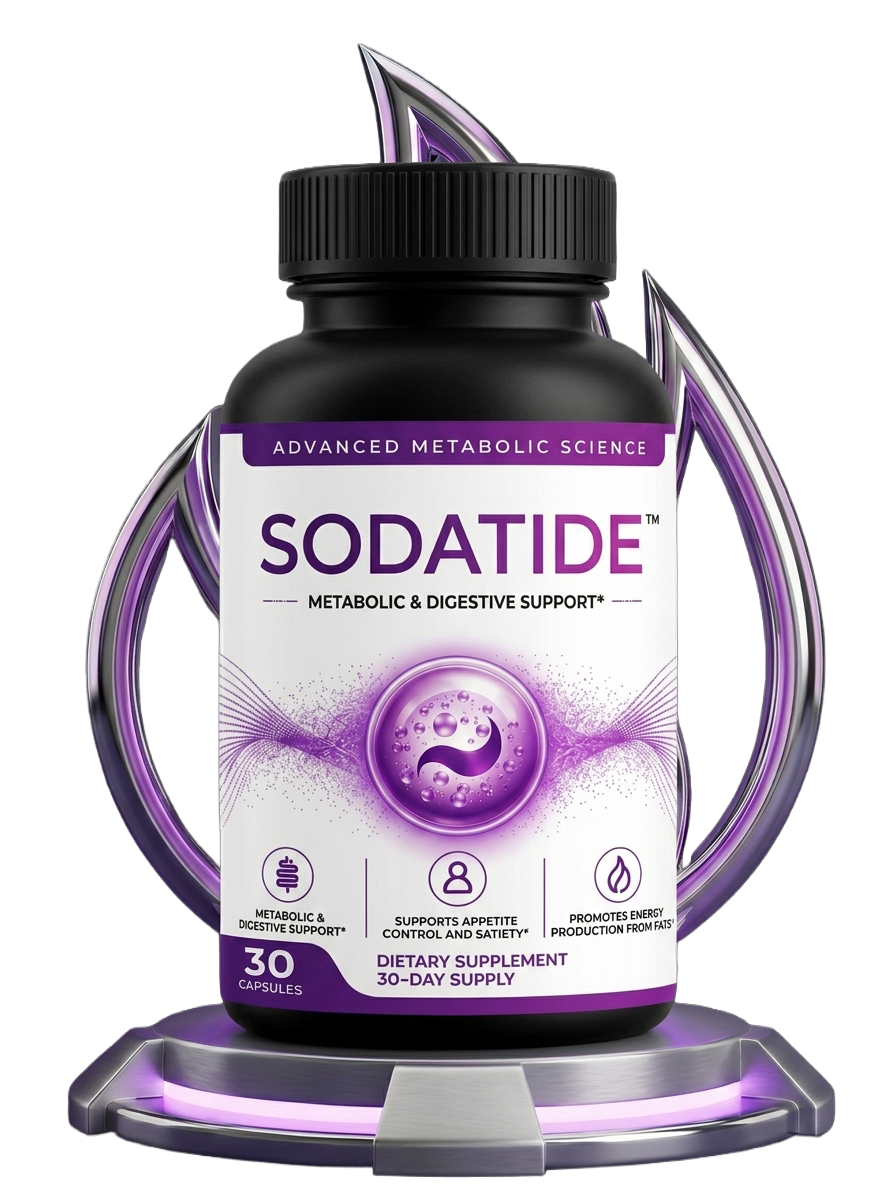
SodaTide is one of the few daily capsules that puts Akkermansia muciniphila and the fibers it thrives on in the same product. Its label lists:
- Chicory root inulin (211 mg) and potato resistant starch (100 mg): two prebiotic fibers that feed beneficial bacteria.
- A 36 mg probiotic blend of Bifidobacterium infantis, Clostridium butyricum and Akkermansia muciniphila.
- One capsule a day with a glass of water; each bottle is a 30-day supply. Refrigeration after opening is recommended to keep the probiotics potent.
- Made in the USA in an FDA-registered, GMP-certified facility, GMO-free.
- One-time purchase (no auto-ship), from $49 per bottle on the 6-bottle kit, with a 60-day money-back guarantee.
It's built around the same idea this article describes: support the gut lining and microbiome every day, consistently, as part of a healthy routine. SodaTide is a dietary supplement, not a medication. If you're pregnant, nursing, immunocompromised, take medication or have a medical condition, check with your doctor before starting any probiotic.
Frequently asked questions
What is Akkermansia muciniphila?
Akkermansia muciniphila is a bacterium that lives naturally in the human gut, in the mucus layer that lines the intestine. It was first described in 2004 and has become one of the most studied gut microbes in metabolic research, which is why it is often called a next-generation probiotic.
What are the benefits of Akkermansia?
Researchers are interested in Akkermansia because higher levels have been associated with a healthier gut lining and better metabolic markers. In a small 2019 placebo-controlled pilot study in overweight volunteers with insulin resistance, daily pasteurized Akkermansia for three months was safe and well tolerated and improved several markers such as insulin sensitivity and total cholesterol. The research is promising but still early, so it is best seen as gut and metabolic support, not a treatment.
How can I increase Akkermansia naturally?
Studies suggest that prebiotic fibers such as inulin, resistant starch and polyphenol-rich foods like berries, pomegranate, green tea, grapes and olive oil are linked to higher Akkermansia levels, along with regular exercise. Responses vary from person to person, so consistency over weeks matters more than any single food.
Is Akkermansia safe to take?
In the 2019 human pilot study, daily Akkermansia for three months was safe and well tolerated, and in 2021 the European Food Safety Authority concluded that pasteurized Akkermansia is safe as a novel food under its proposed conditions of use. As with any supplement, talk to your doctor first if you are pregnant, nursing, immunocompromised, take medication or have a medical condition.
Does Akkermansia help with weight loss?
Akkermansia is not a weight-loss drug. Its appeal is supporting the gut lining and metabolic health, which are part of the bigger picture of appetite and weight. The best results come when a gut-support supplement is paired with fiber-rich food, movement and sleep.
Which supplement contains Akkermansia muciniphila?
Several gut-support products now include it. SodaTide, for example, is a daily synbiotic capsule whose label lists Akkermansia muciniphila together with Bifidobacterium infantis and Clostridium butyricum in a 36 mg probiotic blend, plus chicory root inulin (211 mg) and potato resistant starch (100 mg) as prebiotic fibers.
The bottom line
Akkermansia muciniphila is a small bacterium with a big job: helping look after the gut lining that so much of your digestion and metabolism depends on. The science is young but genuinely encouraging. Feed it with fiber, polyphenols and movement, and if you want a simple daily routine that delivers Akkermansia together with the prebiotic fibers it needs, SodaTide is a well-built place to start, backed by a 60-day guarantee.
Sources: Depommier C, et al. Supplementation with Akkermansia muciniphila in overweight and obese human volunteers: a proof-of-concept exploratory study. Nature Medicine, 2019 · EFSA Panel on Nutrition, Novel Foods and Food Allergens. Safety of pasteurised Akkermansia muciniphila as a novel food. EFSA Journal, 2021. Soda Wellness is not affiliated with the study authors or EFSA.