The short answer
For most people, the best time to take a probiotic is in the morning, with a glass of water, shortly before breakfast, and at the same time every day. Lab research suggests probiotic bacteria survive digestion better when taken with or just before a meal than after one, and a fixed morning slot makes the habit almost impossible to forget. Avoid washing it down with a hot drink, space it from antibiotics (ask your doctor), and always follow your label. Above all: consistency beats perfect timing.
Why timing gets so much attention
Probiotics are live bacteria, and they have a tough journey ahead of them. Before they reach your large intestine, where most of your gut microbes live, they have to pass through your stomach, one of the most acidic places in your body. That's why people wonder whether the time of day or what's in your stomach changes how many of them make it through.
The honest answer: timing can make a difference, but it's a smaller lever than most articles suggest. The biggest factors are a well-made product, a sensible routine and taking it every single day. Let's break down each question people actually ask.
Morning or night?
There's no single proven "best hour," and both morning and evening routines can work. Here's how they compare:
| Timing | Why people choose it | Watch out for |
|---|---|---|
| Morning, before breakfast | Easy to anchor to an existing habit; matches what many makers recommend; the day's first meal follows soon after | Don't take it with a scalding coffee |
| With lunch | Works if your mornings are rushed | Easier to skip on busy days |
| At night, before bed | Some people simply remember better at night | Long gap after dinner; follow your label |
Our take: the morning wins for most people, not because of a magic hour, but because a morning ritual is the easiest one to keep. You can put the bottle next to your toothbrush or coffee maker, take it with a glass of water and move on with your day.
Empty stomach or with food?
This is where the research is most useful. A 2011 laboratory study published in the journal Beneficial Microbes ran probiotic bacteria through a model of the human upper digestive tract. The bacteria survived best when they were given with a meal or about 30 minutes before one, and worst when given 30 minutes after a meal. The researchers also noted that a meal containing some fat (like oatmeal with milk) seemed to help.
Why would that be? Food temporarily buffers stomach acid, which gives the bacteria a gentler ride. It's a lab model, not a human trial, so treat it as a helpful guide rather than a hard rule. But it lines up neatly with the most common label direction: take your probiotic with water, shortly before a meal.
Prebiotics don't care about the clock
If your supplement is a synbiotic (probiotics plus prebiotic fibers like inulin or resistant starch), the fiber part isn't affected by stomach acid in the same way. It travels on to feed your beneficial gut bacteria. That's one reason synbiotics are so practical: the bacteria arrive with their own food. We explain the difference in prebiotics vs. probiotics vs. synbiotics.
A simple morning probiotic routine
- Keep the bottle where you'll see itNext to your coffee maker or toothbrush, or in the fridge door if the label recommends refrigeration.
- Take one capsule with a full glass of waterPlain water, not a hot drink. An 8 oz glass is a good rule of thumb.
- Eat breakfast shortly afterWithin about 30 minutes. A breakfast with some fiber and a little fat (oats, yogurt, eggs, fruit) is a great match.
- Have your coffee after breakfastThat keeps the capsule away from the heat and gives you a natural order to follow every day.
- Repeat every day for at least 30 daysThe gut microbiome shifts gradually, so judge the routine over weeks, not mornings.
Timing mistakes that waste a probiotic
- Washing it down with a hot drink. Heat can harm live bacteria. Use water and enjoy your coffee or tea a little later.
- Taking it at the same moment as an antibiotic. Antibiotics are designed to kill bacteria. If you're on one, ask your doctor or pharmacist how to space them; a gap of a few hours is a common approach.
- Leaving the bottle in a hot car or a sunny window. Store it as the label says. Many probiotics stay most potent when refrigerated after opening.
- Taking it "whenever." A random schedule leads to missed days, and missed days matter more than the exact hour.
- Giving up after a week. Early changes can be subtle. Most people need several weeks of daily use to notice a difference in digestion or bloating.
If bloating is the main reason you're trying a probiotic, our guide to what actually helps with bloating covers the everyday habits that work alongside it.
How SodaTide fits a morning routine
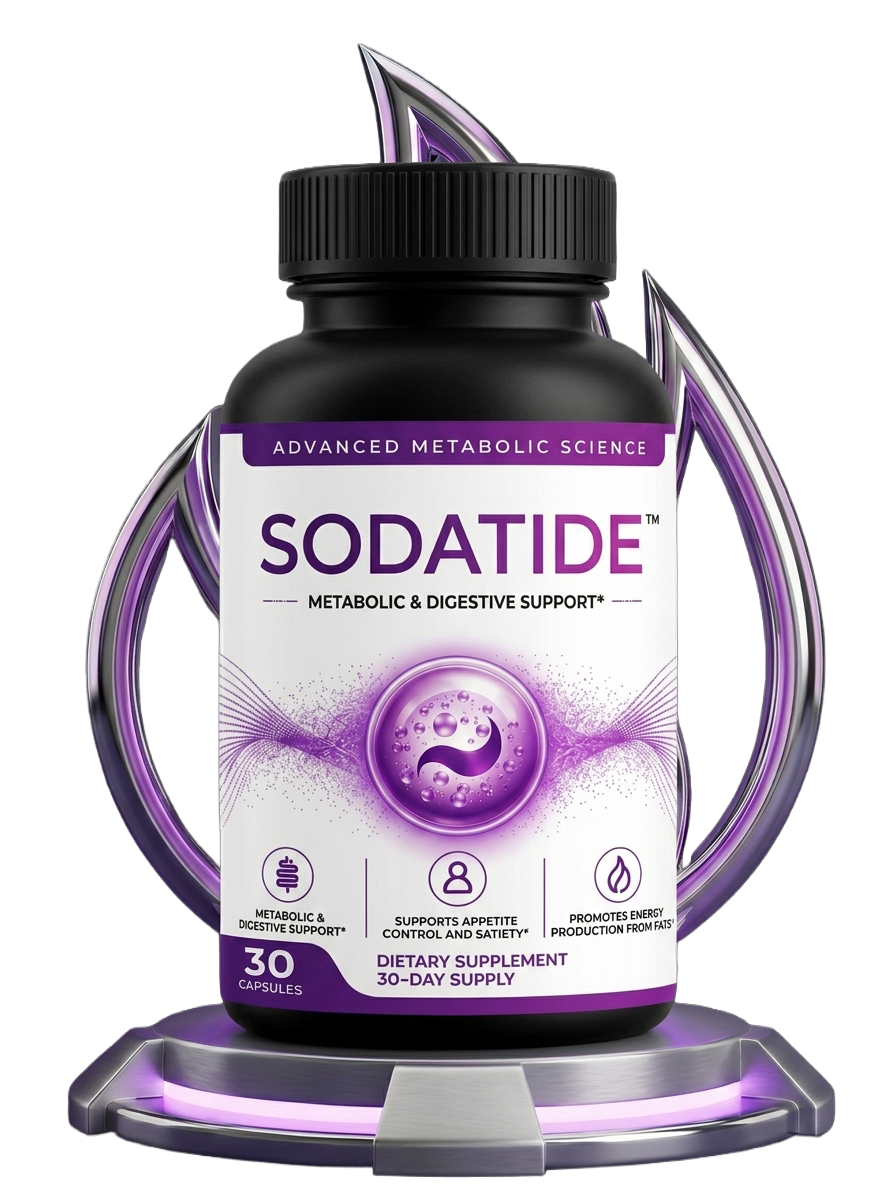
SodaTide is designed around exactly the routine described above. The maker recommends one capsule daily with an 8 oz glass of water, in the morning, preferably before a meal, so the prebiotics and probiotics get to work in your digestive system throughout the day. Here's what's in each capsule, according to the label:
- Two prebiotic fibers: chicory root inulin (211 mg) and potato resistant starch (100 mg), which feed your beneficial gut bacteria.
- A 36 mg probiotic blend of Bifidobacterium infantis, Clostridium butyricum and Akkermansia muciniphila (we explain the last one in what is Akkermansia muciniphila?).
- Vegetarian, lactose-free capsules with no stimulants, made in the USA in an FDA-registered, GMP-certified facility. Refrigeration after opening is recommended.
- A 30-day supply per bottle, a one-time purchase (no auto-ship), from $49 per bottle on the 6-bottle kit, with a 60-day money-back guarantee.
Because it's a synbiotic, you get the bacteria and the fibers they live on in one morning capsule, which makes the "consistency" part of the routine about as easy as it gets. SodaTide is a dietary supplement, not a medication. If you're pregnant, nursing, immunocompromised, take medication or have a medical condition, check with your doctor before starting any probiotic.
Frequently asked questions
Is it better to take probiotics in the morning or at night?
Both can work. Many people prefer the morning because it is easy to tie to breakfast and hard to forget, and many supplement makers recommend it. What matters most is taking your probiotic at the same time every day, so pick the moment you will actually stick to and always follow the directions on your label.
Should probiotics be taken on an empty stomach or with food?
It depends on the product. A 2011 laboratory study in the journal Beneficial Microbes found that the tested bacteria survived simulated digestion best when taken with or shortly before a meal, rather than after it. In practice, taking your capsule with a glass of water shortly before breakfast is a simple, sensible routine unless your label says otherwise.
Can I take probiotics with coffee?
Take the capsule with plain water rather than washing it down with a very hot drink, since heat is one of the things that can harm live bacteria. Enjoy your coffee a little later, after breakfast.
Can I take probiotics while on antibiotics?
Ask your doctor or pharmacist first. When people do take both, a common approach is to space them a few hours apart so the antibiotic is not taken at the same moment as the probiotic. Never stop or change a prescribed antibiotic on your own.
How long does it take for probiotics to work?
Some people notice digestive changes such as less bloating within a few weeks, but the gut microbiome shifts gradually. Give any probiotic or synbiotic at least 30 days of daily use, ideally two to three months, before judging it.
When should I take SodaTide?
The maker recommends one capsule daily with an 8 oz glass of water, in the morning, preferably before a meal. Each bottle is a 30-day supply, and refrigeration after opening is recommended to keep the probiotics potent.
The bottom line
The best time to take a probiotic is the time you'll never miss, and for most people that's first thing in the morning, with a glass of water, shortly before breakfast. Keep it away from hot drinks and antibiotics, store it properly and give it at least a month of daily use. If you want a routine that makes all of that simple, a once-a-morning synbiotic like SodaTide delivers the bacteria and the fibers they need in one capsule, backed by a 60-day guarantee.
Source: Tompkins TA, Mainville I, Arcand Y. The impact of meals on a probiotic during transit through a model of the human upper gastrointestinal tract. Beneficial Microbes, 2011. Soda Wellness is not affiliated with the study authors.